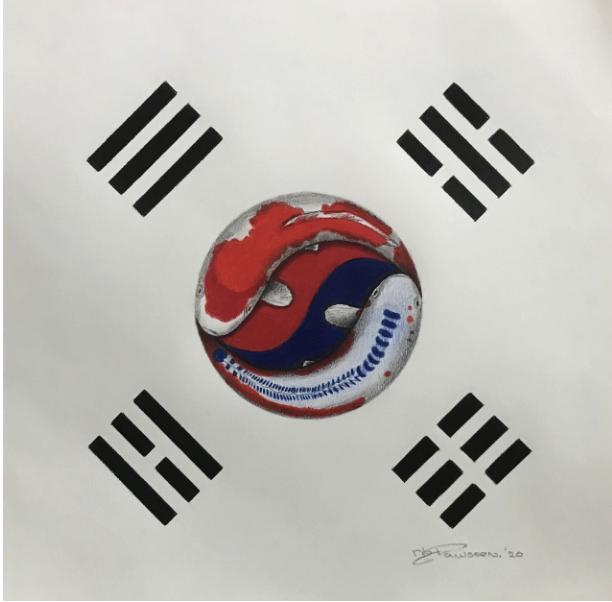
Mantifang archive connection
KoiTalk gives practical koi guidance. For the wider cultural archive behind water, Korea, ceramics, gardens and Mantifang’s older koi material, visit Mantifang.
Beginner koi guides
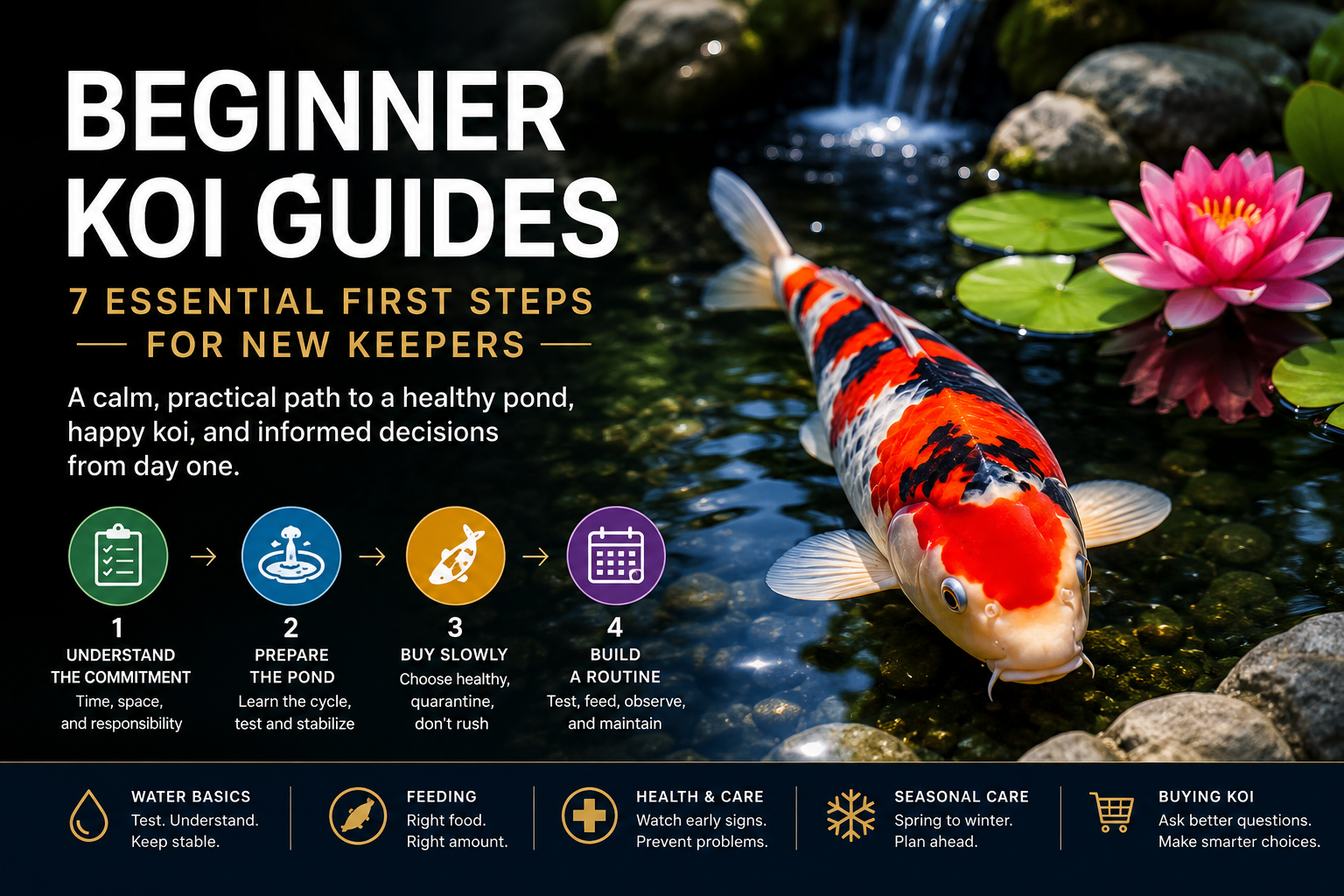
Beginner Koi Guides — 7 Essential First Steps for New Keepers
Beginner koi guides help new keepers start with pond readiness, water quality, first koi choices, feeding, health signs, and common beginner mistakes.
These beginner koi guides are built for calm, practical learning. Start with the pond, learn the water, observe the fish, and only then move toward buying decisions and variety appreciation.
Beginner guidance should not be shallow. Good first advice prevents expensive mistakes, poor fish welfare, unstable water, and rushed decisions before they become pond problems.
Koi keeping becomes easier when the first steps are placed in the right order. A new keeper does not need to know every variety name or advanced judging term on the first day. The first need is simpler: understand the pond as a living system and learn how to notice change.
Beginner Koi Guides: What New Keepers Need First
Koi Talk beginner pages teach sequence: pond readiness, water stability, fish observation, feeding discipline, quarantine, and long-term responsibility.
First Pond
Plan pond size, filtration, oxygen, maintenance access, stocking capacity, and realistic running costs before buying fish.
A pond that is too small, poorly filtered, or difficult to maintain will create problems even if the fish are strong when they arrive.
First Koi
Choose healthy beginner-appropriate koi, understand transport and quarantine, and resist overcrowding from the start.
The best first fish are not always the most expensive or dramatic. They are the fish that fit the pond, the keeper’s experience, and the care routine.
First Routine
Test water, feed carefully, watch behavior, clean without disrupting biology, and prepare for seasonal changes.
A simple repeatable routine is more useful than occasional bursts of attention. Most good care is quiet, regular, and observant.
The Beginner Koi Guides Path
This hub is the front door for new keepers. It guides readers toward practical skill, not product pressure or false simplicity.
The beginner path is not a shortcut. It is a protective order. First understand what the pond can support. Then learn how fish behave when they are comfortable, stressed, hungry, cold, crowded, or unwell. After that, buying and variety choices become much more responsible.
- Understand the CommitmentKoi need space, filtration, stable water, oxygen, observation, and seasonal planning.
- Prepare the PondLearn the nitrogen cycle, test water, and confirm the system can support fish.
- Buy SlowlyChoose fewer fish, ask better questions, and quarantine before mixing new arrivals.
- Build a RoutineRepeat simple habits before chasing advanced techniques.
7 Common Beginner Mistakes
Most early problems come from moving too fast. These mistakes are avoidable when the first routine is clear.
1. Buying Before Testing Water
Water should be tested before new fish are added. Ammonia, nitrite, pH, KH, and temperature matter more than the pond’s appearance.
Without water readings, a keeper is guessing. Guessing can lead to unnecessary treatments, missed problems, or sudden changes that create more stress.
2. Overstocking Too Early
Too many fish can overwhelm filtration and oxygen. Beginners should leave room for growth, mistakes, and seasonal stress.
Young fish grow, feeding increases, waste increases, and summer oxygen demand can rise quickly. A pond that seems comfortable at first can become overloaded later.
3. Feeding Too Much
Food becomes waste. Overfeeding can create water quality problems, especially in new ponds or during cooler periods.
Feeding should match temperature, filter maturity, fish behavior, and water readings. More food does not automatically mean better growth or better care.
4. Trusting Clear Water
Clear water is not always safe water. Dangerous readings can exist even when the pond looks clean.
A pond can look attractive while ammonia, nitrite, low KH, unstable pH, or low oxygen is creating pressure on the fish.
5. Skipping Quarantine
New fish can carry stress, parasites, or disease. Quarantine protects the new arrival and the established pond.
Quarantine also gives the keeper time to observe appetite, swimming, skin, fins, and recovery after transport before the fish joins the main pond.
6. Ignoring Behavior
Clamped fins, flashing, isolation, gasping, and appetite changes may appear before visible wounds or severe symptoms.
Beginners often wait for something obvious. Experienced keepers learn that behavior is often the first warning system.
7. Changing Too Much at Once
Sudden changes can create more stress. Beginners should learn what they are correcting before making several changes together.
When too many actions happen at the same time, it becomes difficult to know what helped, what harmed, and what still needs attention.
First Pond Planning Basics
A first pond should be planned around long-term stability, not only appearance. The design must make daily care possible.
Water Volume
Water volume affects stocking level, temperature stability, treatment calculations, oxygen demand, and how quickly problems develop. Bigger is often more forgiving, but only when filtration and maintenance are also realistic.
Filtration Access
A filter that is hard to reach is a filter that may not be cleaned properly. Beginners should think about access before the pond is finished, not afterward.
Oxygen and Movement
Koi need oxygen-rich water. Waterfalls, air pumps, returns, and circulation all help, especially during warm weather or periods of heavy biological activity.
Maintenance Rhythm
A pond needs regular attention. The best design is one that encourages easy water testing, filter cleaning, observation, and seasonal preparation.
Safe Edges
Pond edges should be safe for fish and people. Shallow areas, predators, overflow, and access for maintenance all deserve attention.
Room to Grow
Koi can grow large. A first pond should not be planned only for the size of the fish on the day they are bought.
Water Basics for Beginners
Water quality is the foundation of beginner koi care. Many health problems begin or worsen when the pond system is unstable. A new keeper should learn the basic readings before adding more fish or trying advanced solutions.
Ammonia and nitrite are urgent because they can harm fish quickly. pH and KH matter because they influence stability. Temperature affects feeding, oxygen, metabolism, and seasonal care. Oxygen matters because fish and filter bacteria both depend on it.
The aim is not to become a chemist. The aim is to know enough to avoid guessing.
Feeding Basics for New Keepers
Feeding is one of the easiest places to make beginner mistakes. Koi will often appear eager, but appetite alone should not decide how much food enters the pond.
Food affects water quality. Uneaten food and increased waste can pressure the filter. In cooler water, digestion slows. In immature ponds, the biological system may not yet be ready for heavy feeding.
A good beginner habit is to feed modestly, observe response, remove obvious uneaten food, and adjust according to season and water readings.
Health Observation for Beginners
New keepers do not need to diagnose every disease. They do need to notice when something changes. Observation is the first layer of health care.
Watch how fish move through the pond. Notice whether they come for food, stay with the group, breathe normally, hold their fins naturally, and use the full pond space. A fish that isolates, flashes, clamps fins, gasps, or stops eating deserves attention.
When asking for help, always include water readings. Many visible symptoms cannot be interpreted properly without knowing the pond conditions.
Helpful Next Hubs
Each beginner guide should send readers to the deeper hub that matches the decision they are facing.
Use these pages when a first question becomes more specific. This keeps learning organized and prevents one page from trying to answer every possible situation.
- Pond & Water Quality for testing, cycling, filtration basics, and water stability.
- Buying Koi for first purchase decisions, quarantine, and seller questions.
- Koi Health for early warning signs, prevention, stress, parasites, and ulcers.
- Koi Dictionary for terms used in variety, health, water, and buying pages.
- Ask Shikibu About Koi for guided beginner questions.
Questions and Answers
These short answers help new visitors use the Beginner Koi Guides section correctly.
What should a beginner learn first?
Start with pond water quality, filtration, oxygen, stocking limits, and daily observation. These basics affect every later decision.
How many koi should a beginner buy?
Buy fewer than you think. A lower stocking level is easier to manage while you learn water testing, feeding, and seasonal care.
Is a koi pond difficult to maintain?
A pond becomes difficult when it is overstocked, under-filtered, or poorly observed. A clear routine makes care much easier.
Should beginners buy expensive koi?
Usually not at first. Learn pond stability, quarantine, and observation before buying fish that require more confidence and experience.
When should I ask for help?
Ask for help when fish stop eating, isolate, gasp, flash, clamp fins, develop wounds, or behave differently. Include water readings when asking.
Can Ask Shikibu help beginners?
Yes. Ask Shikibu can help beginners turn uncertain observations into clearer questions about water, health, buying, and variety terms.
Do I need to know koi varieties immediately?
No. Variety knowledge is useful, but pond care and observation should come first. A healthy pond is more important than memorizing names.
What is the safest first buying habit?
Buy slowly, quarantine new fish, and avoid overcrowding. Ask about health, source, transport, and how the fish has been kept.
Why does routine matter so much?
Routine makes change visible. When feeding, behavior, and water readings are familiar, problems are easier to notice early.
Further Reading on Mantifang
Mantifang holds the deeper koi archive behind Koi Talk. Use these pages when you want longer background or older koi material connected to the beginner path.
- Mantifang starting a koi hobby guide for a broader beginning point.
- Mantifang how to buy koi guide for purchase background.
- Mantifang Koi Dictionary Complete Index for deeper terminology and archive reading.
Continue the Beginner Route
The next best step is to understand water quality before moving deeper into buying or variety appreciation.
Beginner koi guides work best when they build confidence slowly. A careful keeper learns the pond first, then the fish, then the choices.