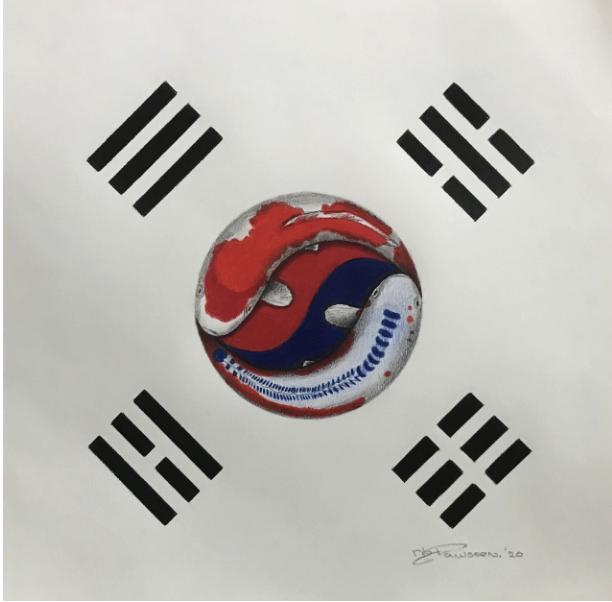
Mantifang archive connection
KoiTalk gives practical koi guidance. For the wider cultural archive behind water, Korea, ceramics, gardens and Mantifang’s older koi material, visit Mantifang.
Koi reference hub
Koi Dictionary — Essential Koi Terms, Varieties and Pond Care Vocabulary
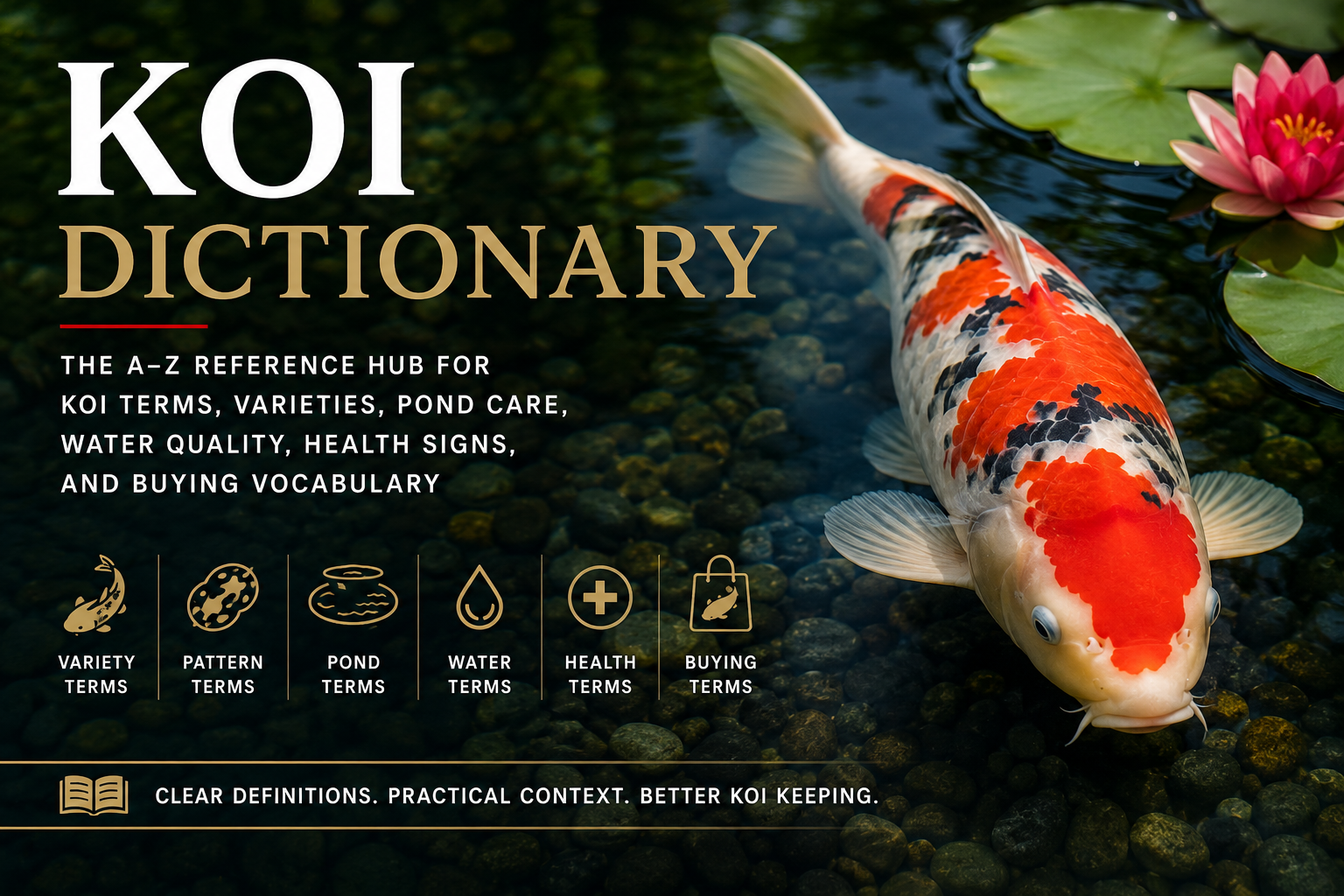
The Koi Dictionary is the Koi Talk reference hub for koi terms, variety names, pattern language, pond care, water quality, health signs, and buying vocabulary.
Koi keeping uses many specialist words. Some come from Japanese variety names, some from pond biology, some from health observation, and some from the buying and show world. This page helps readers understand those terms before moving into deeper care guides.
Koi Talk keeps this dictionary page practical. The full long-maintained koi dictionary index lives on Mantifang, where the wider archive, translations, and older terminology material are kept together.
Full Koi Dictionary on Mantifang
The complete koi dictionary index is maintained on Mantifang through the long-running dictionary system. That index is the best place to browse the full koi terminology archive.
The Mantifang koi dictionary has been maintained for many years and includes deeper koi terms, historical dictionary material, translation support, and links into the older Mantifang koi archive.
Koi Talk does not replace that archive. It gives readers a clear practical doorway into the subject, then sends them to Mantifang when they need the full index.
Koi Dictionary Knowledge Areas
Koi language can be confusing because the same conversation may mix Japanese variety terms, pond biology, disease language, dealer vocabulary, and pattern descriptions. This hub separates those areas so readers can find the right meaning faster.
Variety Terms
Variety terms help identify koi types such as Kohaku, Sanke, Showa, Asagi, Ogon, Utsuri, Tancho, Ginrin, Doitsu, and many others.
These names are useful when they are connected to visible traits, pattern, body, scale type, and color structure.
Pattern Terms
Pattern terms describe markings, balance, color placement, head pattern, edges, shine, reticulation, and body presentation.
They help keepers describe what they see instead of relying only on personal taste.
Pond Terms
Pond terms include filtration, turnover, bottom drains, skimmers, aeration, cycling, stocking, maintenance, and seasonal pond operation.
These words matter because koi health begins with the system that supports the fish.
Water Terms
Water terms include ammonia, nitrite, nitrate, pH, KH, GH, dissolved oxygen, temperature, chlorine, and test-kit interpretation.
Learning these words helps keepers react to facts rather than guesses.
Health Terms
Health terms include flashing, clamped fins, ulcers, parasites, quarantine, stress, mucus, bacterial issues, and symptoms that may require escalation.
They help describe problems clearly when asking for help.
Buying Terms
Buying terms include tosai, nisai, breeder, dealer, quarantine, conformation, skin quality, price factors, transport, and purchase red flags.
Understanding buying language helps prevent rushed or emotional decisions.
Important Terms to Learn First
These starter terms help readers move from unfamiliar language toward practical understanding. Where a full Koi Talk guide already exists, the term links directly to that guide.
- Ammonia — a toxic waste product that should be tested, not guessed from water appearance.
- Nitrite — a dangerous water reading often linked to filter maturity and the nitrogen cycle.
- KH — carbonate hardness, important for pH stability.
- Quarantine — a separate observation period for new arrivals before they enter the main pond.
- Kohaku — the classic red and white variety often used to teach pattern balance and skin quality.
- Sanke and Showa — two major varieties that both include red, white, and black, but with different visual structure.
Use the Koi Dictionary With Practical Guides
Dictionary terms should help readers move into the right practical guide. A term is most useful when it leads to better pond care, clearer observation, or more responsible buying.
Use this hub as a bridge. Start with the word, then continue to the guide that explains the situation in context.
- Pond & Water Quality for water chemistry and system terms.
- Koi Health for symptom, quarantine, parasite, and prevention terms.
- Buying Koi for dealer, price, age, quarantine, and evaluation terms.
- Koi Varieties for variety names, pattern structure, and visual identification.
- Ask Shikibu About Koi for guided explanation of unfamiliar language.
Questions and Answers
These answers explain how to use the Koi Dictionary and why terminology matters for better keeping.
What is the Koi Dictionary?
The Koi Dictionary is the Koi Talk reference hub for variety names, pond care terms, water quality words, health language, and buying vocabulary.
Where is the full koi dictionary index?
The full index is maintained on Mantifang through the long-running koi dictionary system. Koi Talk links to it as the deeper archive.
Why are koi terms often confusing?
Many words come from Japanese variety names, dealer language, pond biology, and health observation. One conversation can mix several of these areas.
Should beginners learn variety names first?
Variety names are useful, but beginners should also learn water, health, and observation terms. Knowing the name of a fish does not replace good pond care.
How should I use this dictionary page?
Use it to clarify a term, then continue to a related guide. Water terms should lead toward water quality pages, and health terms should lead toward health guidance.
Why does Koi Talk link to Mantifang?
Koi Talk gives practical explanations. Mantifang holds deeper archive material, long-maintained dictionary pages, translations, and older terminology resources.
Can Ask Shikibu explain unfamiliar terms?
Yes. Ask Shikibu can help visitors turn unfamiliar words into clearer questions about pond care, varieties, health signs, and buying choices.
Further Reading on Mantifang
Mantifang contains the deeper koi archive behind this practical Koi Talk hub. These links are useful when readers want longer background, older entries, or more complete terminology material.
- Mantifang Koi Dictionary Complete Index for the full koi dictionary gateway.
- Koi, Nishikigoi, and Fancy Carp terminology for core naming background.
- Nishikigoi dictionary entry for focused terminology background.
- Go-Sanke dictionary entry for Kohaku, Sanke, and Showa terminology.
Next Best Pages
The dictionary is only the beginning. If a word relates to a real pond situation, continue into the practical guide that explains the topic more fully.
Terms become useful when they help a keeper observe better, test water more carefully, ask clearer questions, or make safer buying decisions.
Continue Exploring Koi Talk
Choose the section that best matches the term or question you want to understand.