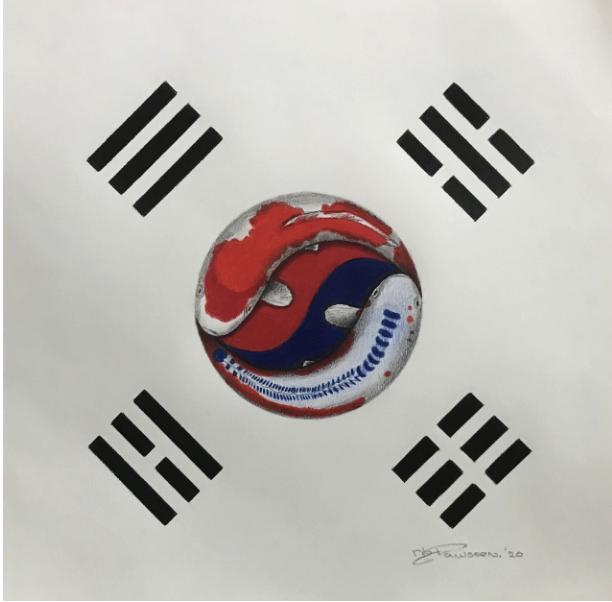

Mantifang archive connection
KoiTalk gives practical koi guidance. For the wider cultural archive behind water, Korea, ceramics, gardens and Mantifang’s older koi material, visit Mantifang.
Koi identification and appreciation
Koi Varieties — Practical Guide to Types, Patterns and Recognition
Koi Varieties is the Koi Talk hub for understanding koi types, pattern recognition, beginner-friendly variety explanations, and the quality markers that matter beyond first impressions.
Learning koi varieties begins with observation. Before judging price, rarity, or show quality, a keeper first needs to recognize color, pattern, body shape, skin, scale type, and overall condition.
This page gives a practical route into koi identification. It introduces the main variety families, explains how beginners can read patterns, and links to focused guides for Kohaku, Sanke, Showa, Asagi, and other important types.
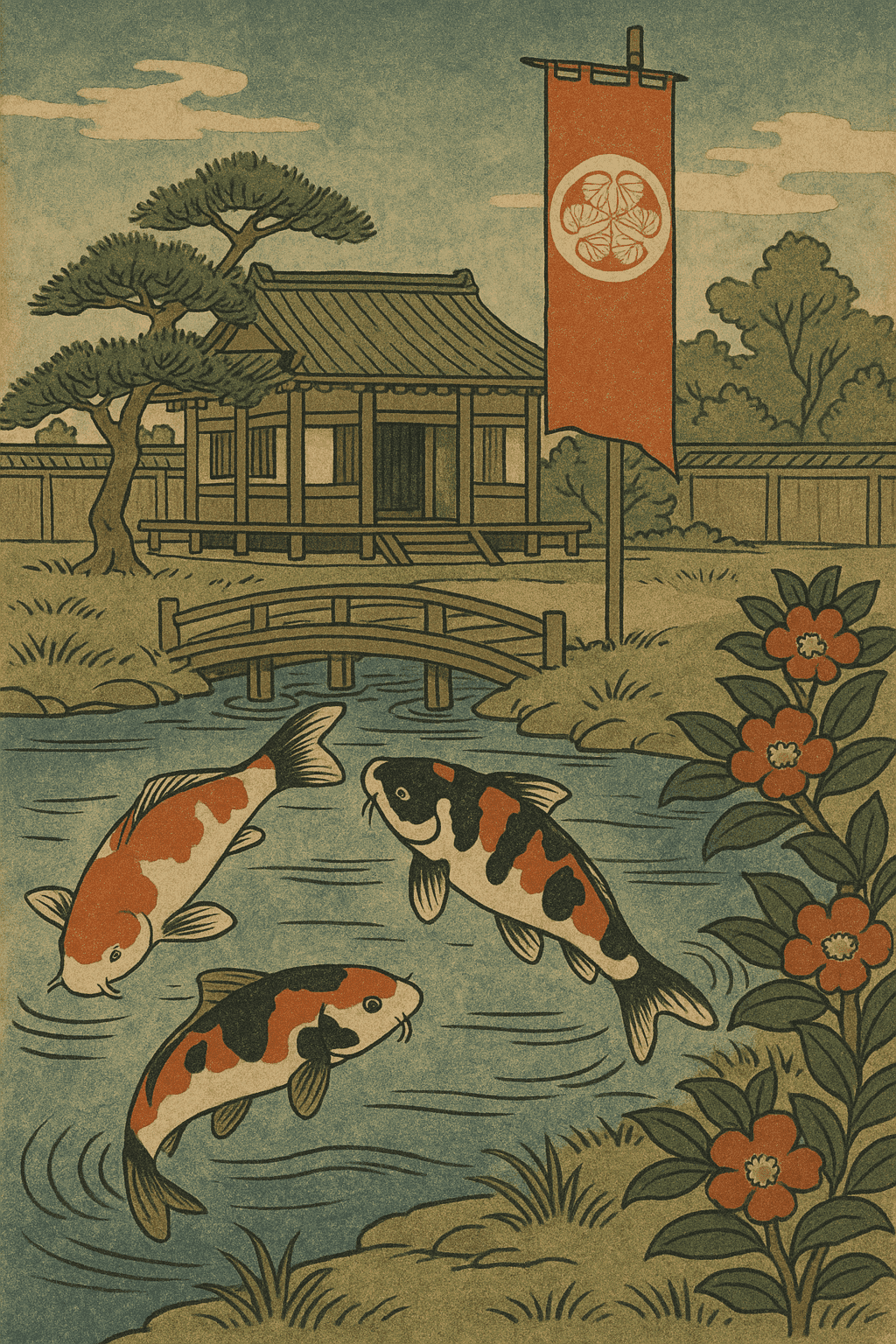
Koi Varieties: What This Hub Covers
Koi variety pages should help readers identify what they are seeing, understand why a koi looks the way it does, and avoid shallow judgments based only on bright color.
Major Variety Families
Beginner-friendly introductions to Kohaku, Sanke, Showa, Utsuri, Bekko, Asagi, Shusui, Ogon, and other core groups.
Pattern Recognition
How markings are read across the head, shoulders, body, and tail area, including balance, rhythm, visual flow, and contrast.
Quality Markers
Practical explanations of skin quality, color depth, edges, body shape, growth, and condition without show-ring exaggeration.
Beginner Variety Path
Use this path before deciding whether a fish is “good” or “bad.” First learn what type you are looking at, then learn how its pattern and body should be read.
Future individual variety pages should be unique and visual, not copied blocks with swapped variety names.
- Start with ColorIdentify the main colors and whether the fish is metallic, non-metallic, scaled, or Doitsu.
- Read the PatternNotice where markings begin, how they move across the body, and whether the pattern feels balanced.
- Check the BodyLook at proportion, posture, head shape, fins, and overall condition before focusing on price or rarity.
- Use the Right TermConfirm variety language with the Koi Dictionary before comparing similar types.
Core Koi Variety Groups
These groups form a practical starting point for learning koi identification. The goal is not to memorize every name at once, but to understand the visual logic behind the main families.
Kohaku
Kohaku are white koi with red markings. The variety looks simple, but it teaches essential lessons about clean white skin, red pattern, balance, and body quality.
Sanke
Sanke are white-based koi with red and black markings. Beginners often compare them with Showa, so learning placement and impression matters.
Showa
Showa combine black, red, and white in a stronger visual structure. They often feel more dramatic and black-based than Sanke.
Asagi
Asagi are known for blue-gray reticulation and red or orange placement. They teach the importance of subtlety, clean heads, and traditional appearance.
Ogon
Ogon are single-colored metallic koi. They are useful for learning shine, body shape, and the difference between simple color and strong presence.
Utsuri and Bekko
These varieties use black and contrasting color in different ways. They help beginners understand how base color and pattern placement affect classification.
Go-Sanke: The Classic Comparison
Many beginners first meet serious variety language through Go-Sanke: Kohaku, Sanke, and Showa. These three types are central because they teach pattern, balance, skin quality, and the use of red, white, and black.
Kohaku uses red and white. Sanke adds black markings to a white-based impression. Showa uses black more structurally and often appears stronger or more dramatic. The difference is not only a list of colors, but a way of reading the whole fish.
How to Look at Pattern
Pattern recognition is not only about whether markings are attractive. It is about how the pattern works with the body and how the viewer’s eye moves from head to tail.
Head Pattern
The head is often the first place the eye goes. A strong head pattern can give character, but heavy or awkward markings may affect balance.
Shoulder Balance
The shoulder area gives strength to the visual impression. Many varieties look weaker when this area feels empty or poorly balanced.
Body Flow
A pattern should move with the fish rather than fighting the body shape. Good visual flow helps the koi look complete in motion.
Color Edges
Pattern edges may be sharp or softer depending on variety, age, and bloodline. Beginners should avoid judging every edge by one simple rule.
Skin and Finish
Skin quality, shine, and color depth affect how a pattern appears. A beautiful pattern can lose impact if the fish is not healthy or well finished.
Movement in Water
A koi should be judged in water, not only from a photo. Swimming posture, confidence, and body condition change the impression.
Variety Knowledge and Buying Decisions
Knowing a variety name helps, but it does not automatically mean a fish is a good purchase. Beginners should combine variety recognition with health, behavior, seller reliability, quarantine, and pond readiness.
A lower-priced fish that fits your pond and experience may be a better choice than a visually impressive fish bought too quickly.
- Buying Koi for purchase evaluation and beginner buying decisions.
- Pond & Water Quality before adding new fish to a pond.
- Koi Health for warning signs, quarantine, and observation.
- Koi Dictionary for variety and pattern terms.
Questions and Answers
These short answers help beginners understand how to use the Koi Varieties hub.
What are koi varieties?
Koi varieties are named types based on color, pattern, scale type, metallic quality, and visual structure. They help keepers describe and compare fish more clearly.
Which variety should beginners learn first?
Kohaku is often a good starting point because it uses a simple red-and-white structure while teaching important ideas about body, skin, and pattern balance.
Why are Sanke and Showa confusing?
Both can show red, white, and black. The difference lies in the role of black, the base impression, and how the pattern works across the body.
Should I judge a koi by pattern first?
Pattern matters, but it should not be the only factor. Body condition, skin quality, swimming, health, and pond suitability are also important.
Can variety names affect buying decisions?
Yes, but names should not replace observation. A famous variety name does not guarantee good health, good value, or suitability for your pond.
Where can I check koi terms?
Use the Koi Dictionary for variety names, pattern language, water terms, health vocabulary, and buying terminology.
Further Reading on Mantifang
Koi variety names often carry Japanese language and judging traditions. Koi Talk keeps this page practical; Mantifang provides deeper variety background where readers want the archive view.
- Mantifang introduction to Go-Sanke varieties for deeper Kohaku, Sanke, and Showa context.
- Go-Sanke dictionary entry for variety terminology background.
- Mantifang Kohaku longread for deeper reading on the classic red-and-white variety.
- Mantifang Showa Sanshoku guide for a deeper Showa background page.
Continue Exploring Koi Talk
Use this hub as the start of your variety path. Move from general recognition into individual variety guides, then connect that knowledge to buying decisions and pond care.