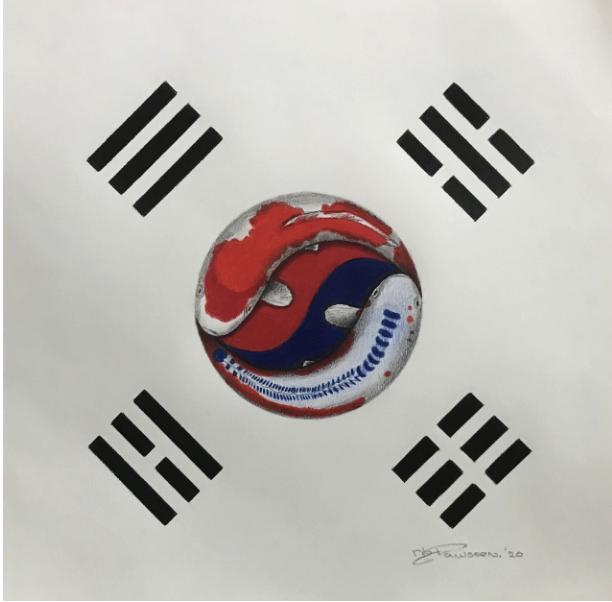

Mantifang archive connection
KoiTalk gives practical koi guidance. For the wider cultural archive behind water, Korea, ceramics, gardens and Mantifang’s older koi material, visit Mantifang.
Koi variety guide
Kohaku Koi Guide
This Kohaku koi guide explains how to recognize Kohaku koi, judge red and white pattern, check body and skin quality, and choose a healthy koi that fits your pond.
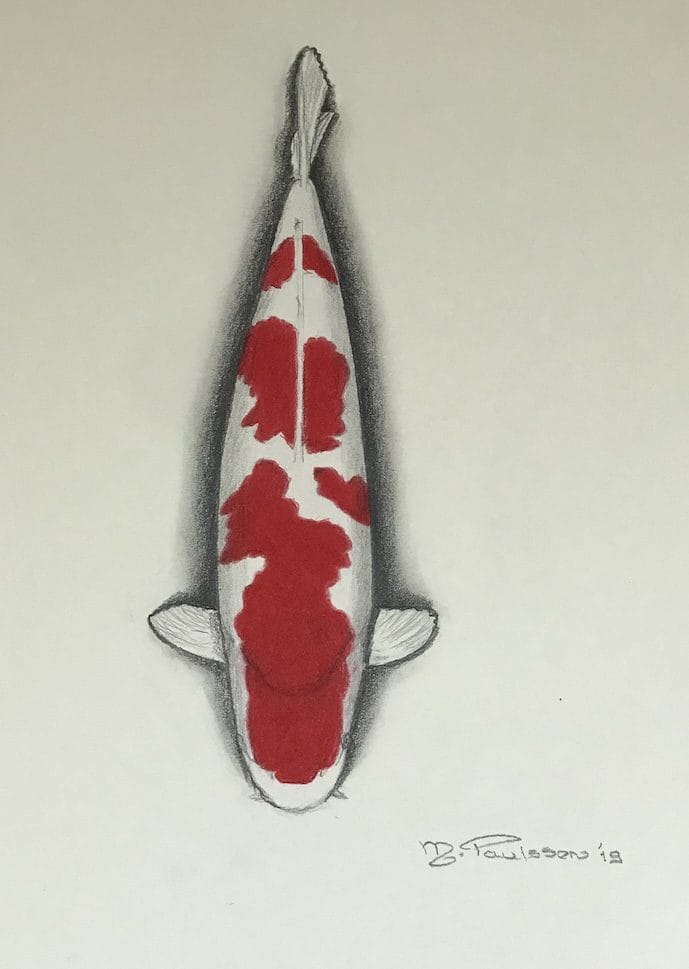
What Makes a Kohaku Koi
Kohaku koi are white koi with red markings. The idea is simple, but quality is not judged by pattern alone. A good Kohaku should have clean white skin, healthy red markings, balanced body shape, steady swimming, and no obvious signs of stress.
White Ground
Look for clear white skin without yellowing, muddy areas, or obvious unevenness across the head and body.
Red Pattern
The red pattern should look balanced, intentional, and suitable for the koi’s size and body. Pattern edges may vary by age, bloodline, and development.
Body and Condition
A pleasing pattern cannot compensate for poor condition, weak posture, damaged fins, abnormal breathing, or visible stress.
Kohaku Koi Guide for Beginners
This Kohaku koi guide keeps the first judgement practical. Do not buy a Kohaku only because the red pattern looks dramatic in a photo. Always look at the fish in water, ask about age and health, and think about your pond before buying.
- Confirm the VarietyWhite body, red pattern, and no black markings.
- Look Beyond PatternCheck body shape, skin quality, fins, swimming, breathing, and appetite.
- Ask About HistoryAsk about age, origin, quarantine, recent treatments, and how long the koi has been observed.
- Judge Pond FitChoose a koi that fits your pond capacity, water quality, experience, and quarantine setup.
How to Recognize Kohaku Koi
Kohaku koi recognition starts with absence as much as presence. A Kohaku has white skin and red pattern, but no black markings. Once black appears as part of the design, compare the fish with other Go-Sanke varieties such as Sanke or Showa.
Only White and Red
The basic recognition point is simple: white ground with red markings. No black pattern should be part of the variety.
Clean Head Impression
The head should look clean and balanced. Beginners should avoid judging only from one photograph, because light and angle can change the impression.
Pattern Balance
A good pattern should suit the body. It does not need to be perfectly symmetrical, but it should feel balanced from head to tail.
Buying Kohaku Koi
Buying Kohaku koi should be done slowly. Red and white can look impressive, but long-term value depends on health, skin, body, behavior, water quality, seller transparency, and whether the fish fits your pond.
- Ask how long the koi has been with the seller.
- Ask whether quarantine or observation has been done.
- Check whether the koi swims steadily and breathes normally.
- Look for clean skin, intact fins, and no visible sores.
- Avoid buying from tanks with stressed, gasping, or damaged fish.
- Plan transport and acclimation before purchase.
- Quarantine new koi when possible before adding them to the main pond.
Kohaku, Sanke, and Showa
Kohaku, Sanke, and Showa are often discussed together because they are central koi varieties. For beginners, the main distinction is practical: Kohaku have white and red only, while Sanke and Showa include black markings in different ways.
Kohaku
White body with red pattern. No black markings.
Sanke
White body with red and black markings. The black usually appears as accent markings rather than a heavy base pattern.
Showa
Black-based koi with red and white pattern. Showa often gives a stronger, heavier visual impression than Sanke.
Health and Pond Fit
A Kohaku with beautiful markings still needs stable water, good oxygen, sensible feeding, quarantine, and careful observation. If a koi shows ulcers, gasping, heavy flashing, clamped fins, isolation, or sudden decline, test the water immediately and ask an experienced koi professional or qualified aquatic veterinarian for help.
Q&A: Kohaku Koi Guide
What is a Kohaku koi?
A Kohaku koi is a white koi with red markings. It should not have black pattern.
How do I recognize Kohaku koi?
Look for a clean white body and red markings only. If black markings are part of the pattern, compare the fish with Sanke or Showa instead.
Is this Kohaku koi guide useful for beginners?
Yes. This Kohaku koi guide is useful for beginners because the recognition point is clear, while the quality details can be learned step by step.
What should I look for when buying Kohaku koi?
Look at body shape, skin quality, red pattern, swimming, breathing, fins, appetite, seller transparency, and whether the koi fits your pond.
Does a strong red pattern mean the koi is good?
Not by itself. A dramatic pattern cannot replace good health, body condition, clean skin, and stable behavior.
Should I quarantine a new Kohaku koi?
Yes, when possible. Quarantine helps protect the main pond and gives time to observe the koi before mixing it with other fish.
Further Reading
Use this Kohaku koi guide as the practical starting point. KoiTalk explains recognition and buying basics, while Mantifang carries deeper Kohaku background and dictionary context.
Next Step
Use this Kohaku koi guide as a first recognition tool, then compare Kohaku with Sanke and Showa before buying. Always match the koi to your pond, water quality, and quarantine routine.